How can I ensure Activate Games equipment I import from China is delivered on time?
10/10/20254 min read
I’ve seen importers lose weeks just because they trusted vague promises. I learned early on: timing isn’t luck—it’s planning, contracts, and communication.
To ensure on-time delivery of Activate Games equipment from China, you must establish clear delivery terms, verify production milestones, use reliable freight forwarders, and actively track progress from factory to venue.
Timely delivery doesn’t just depend on your supplier—it depends on your entire supply chain working in harmony. Let’s explore how to verify timelines, prevent delays, and maintain full visibility from order to installation.
How do I verify realistic production lead times before I place an order?
Leading paragraph:
I once waited two months for a shipment that should’ve taken three weeks—because I didn’t question the supplier’s timeline. Never again.
Verify realistic production lead times by reviewing the supplier’s past delivery records, conducting factory audits, and confirming material availability before signing the purchase contract.
Before placing your order, request a production schedule that breaks down each stage—component sourcing, assembly, testing, and packaging. A reliable supplier will provide transparent lead times based on real capacity, not optimistic guesses.
Ask for references or proof of similar past deliveries, especially if you’re ordering custom-built gaming equipment. If possible, conduct a factory audit or hire a third-party inspector like SGS or TÜV to validate production capability.
Keep in mind that manufacturing complex interactive equipment (like LED or motion sensor-based Activate Games systems) often requires coordination across multiple production lines. Therefore, include buffer time for component sourcing—especially for imported electronic parts.
Finally, confirm the material procurement schedule. Delays often happen when raw materials or LED modules are out of stock. Verifying these details upfront helps ensure the promised lead time is achievable, not just aspirational.
Can I include delivery milestones or penalties in the contract?
The best contracts don’t just protect you—they keep your supplier motivated every single day.
Yes. Include delivery milestones, linked payments, and penalty clauses in your contract to ensure accountability for timely delivery of your Activate Games equipment.
When importing from China, your contract should clearly define milestones such as “frame completion,” “electronic installation,” and “quality inspection.” Each stage should have a corresponding date and documentation requirement.
To enforce performance, structure payments so that the final 20% is released only after on-time delivery and successful pre-shipment inspection. This financial leverage is one of the most effective motivators.
Additionally, add liquidated damages clauses—for example, a 1% deduction per week of delay, capped at 10%. Chinese suppliers are familiar with such clauses and typically accept them if negotiated upfront.
Always ensure your contract references Incoterms (like FOB or CIF) to define responsibility at each logistics stage, and specify the governing law—either CISG (United Nations Convention on Contracts for the International Sale of Goods) or another mutually recognized framework—to ensure enforceability.
By building clear accountability into your agreement, you prevent vague excuses and protect your delivery timeline legally and financially.
Which shipping and logistics options will minimize delays to my venue?
I’ve learned that logistics can make or break your project—choosing the wrong shipping method can erase months of planning.
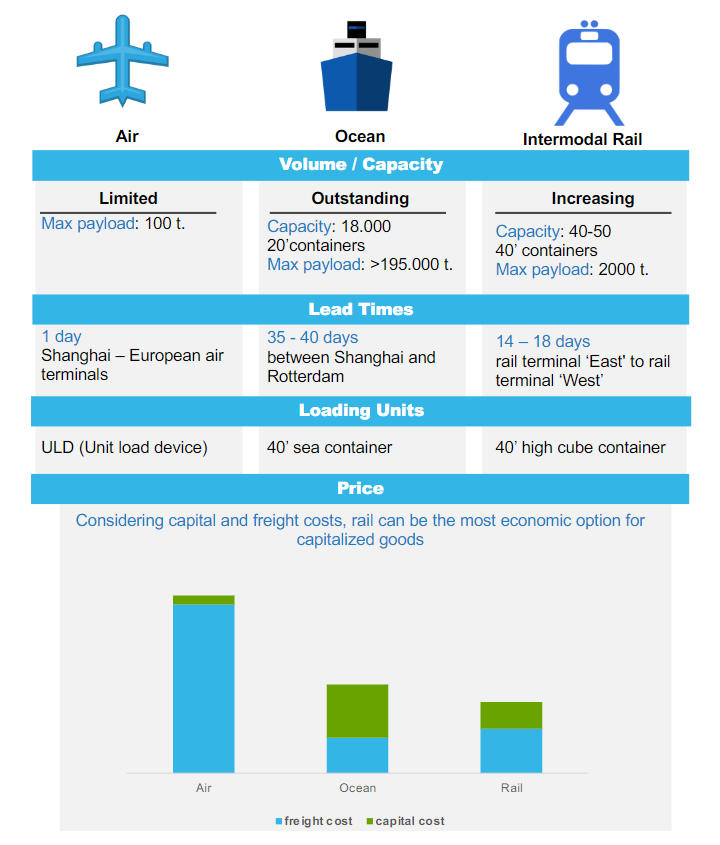
To minimize delivery delays, choose the shipping method that balances cost and time—air freight for speed, sea freight for bulk, or rail for balanced efficiency—and work with an experienced freight forwarder.
Shipping your Activate Games equipment from China to destinations like the U.S. or Europe involves strategic choices.
Air freight: Fast (5–10 days), best for small or high-value shipments like LED panels or control systems.
Rail freight: Ideal for mid-volume shipments to Europe (12–20 days) with balanced cost and speed.
Sea freight (FCL): The most economical for full-container loads, taking 25–40 days on average.
Avoid LCL (Less than Container Load) unless necessary—it often adds 5–10 extra days due to consolidation and deconsolidation delays.
Partner with a licensed freight forwarder (FIATA or IATA certified) who can manage end-to-end logistics, customs clearance, and real-time tracking. A good forwarder will anticipate port congestion, optimize routes, and help pre-clear customs before arrival.
Always confirm transit times during peak seasons, when freight congestion and customs backlogs can cause unexpected slowdowns. Choosing the right logistics partner and method can save you weeks—and thousands of dollars—in potential delays.
How can I get real-time updates on manufacturing and shipment status?
I used to lose sleep wondering where my shipment was. Now, I always demand visibility—because surprises are costly.
Get real-time updates by requiring weekly production reports, using digital project management tools, and partnering with freight forwarders that provide live tracking systems.
From the day your order enters production, insist on a communication protocol—for example, weekly progress photos or video walkthroughs from the factory floor. Many Chinese manufacturers now use WeChat Work, Trello, or Alibaba Trade Assurance dashboards to update clients in real time.
During transit, your freight forwarder should provide a tracking number linked to the shipping line’s system, allowing you to see port departure, customs status, and estimated arrival times.
If your shipment includes multiple batches (for example, main units and accessories), ask for individual shipment tracking to avoid confusion at customs or warehousing.
For large projects, consider using third-party logistics visibility platforms (like Project44 or Shippeo) that integrate manufacturing updates with shipment tracking, giving you a single dashboard for every phase.
Active monitoring not only helps you anticipate delays but also allows you to coordinate installation, staffing, and marketing activities with precision—turning your supply chain into a competitive advantage.
On-time delivery isn’t luck—it’s the result of clear contracts, smart logistics, and proactive communication.
Connect
Join us in revolutionizing interactive entertainment.
© 2025. All rights reserved.