What regulations or restrictions should I watch for when importing Activate Games equipment from China?
Activate Games Expert Allen Zeng
10/12/20254 min read
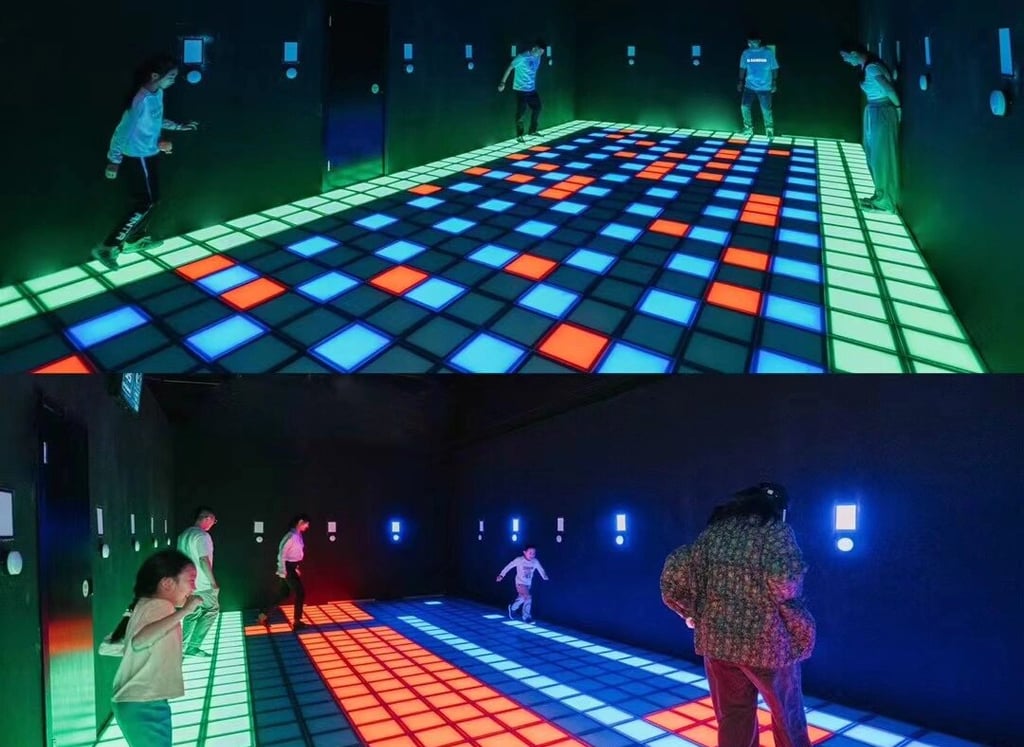
Starting a business in the interactive gaming industry can be a thrilling venture, but with it comes a series of legal and logistical challenges. If you're importing interactive game room equipment from China, understanding the regulations that govern your imports is critical. In this article, I'll guide you through the crucial safety certifications, environmental standards, and import regulations that will ensure your products comply with U.S. and European laws, helping you avoid costly delays and penalties.
The process of importing interactive games involves navigating complex regulations that vary by country. If you're importing custom active games or similar products, here's a breakdown of the most important regulatory considerations.
Transitioning into the interactive entertainment world requires understanding these critical factors to ensure smooth business operations.
Do I need CE, UL, FCC, or other safety certifications for my market?
Yes, for the U.S. and European markets, safety certifications like CE, UL, and FCC are mandatory. Without them, your equipment could be blocked at the border or cause safety concerns down the line. Certification ensures your equipment is safe, reliable, and fit for consumer use, preventing potential injuries and legal issues.
CE Certification for Europe
The CE mark is crucial if you plan on selling your interactive entertainment for kids or other products in the European market. The CE mark indicates that your product conforms with European Union safety, health, and environmental protection requirements.
To meet CE certification standards, you’ll need to ensure that your interactive fitness games and all electronic equipment comply with a series of EU regulations. These could include low voltage directives (for electrical safety), electromagnetic compatibility (to avoid interference), and eco-friendly requirements like RoHS (Restriction of Hazardous Substances) and WEEE (Waste Electrical and Electronic Equipment).
In addition to these regulations, any game room equipment involving wireless communication must comply with the Radio Equipment Directive (RED). If you’re dealing with wireless multiplayer interactive arena games, this is particularly relevant.
UL Certification for the U.S.
In the U.S., Underwriters Laboratories (UL) is a well-respected safety certification body. UL is specifically concerned with ensuring the electrical safety of your products, which is especially important if you're importing LED reaction game solutions or similar electronics-heavy devices. UL certification means your equipment meets strict electrical and fire safety standards.
Failure to provide UL certification could not only delay your ability to sell but also jeopardize consumer trust. This is a non-negotiable requirement for many venues like family entertainment centers or interactive trampoline park games that rely on heavy-duty electrical components.
FCC Compliance
For any equipment that emits radiofrequency signals, such as interactive projection floor games with wireless capabilities, FCC compliance is mandatory. The Federal Communications Commission (FCC) regulates radiofrequency emissions in the U.S. to prevent interference with communication systems.
If your product has wireless components—be it for AR VR active entertainment systems or other remote-controlled elements—it must meet FCC Part 15 regulations. This means you’ll need an FCC ID for wireless devices, a declaration of conformity, or relevant test reports showing compliance with U.S. radiofrequency standards.
Are there electrical, EMC, or wireless rules my units must satisfy locally?
Yes, electrical, electromagnetic compatibility (EMC), and wireless rules are a significant part of local compliance. These rules ensure that your equipment, from interactive climbing wall systems to digital-physical hybrid games, operates safely and doesn’t interfere with other devices.
Electrical Safety and EMC
When you’re importing customizable active game rooms, your equipment will need to comply with local electrical safety standards. For example, in the U.S., the National Electrical Code (NEC) applies to any device that involves electrical components. In Europe, this responsibility falls under various directives such as the Low Voltage Directive (LVD) and the EMC directive.
It's crucial to ensure that your interactive dodgeball game or other motion-sensing equipment doesn’t emit harmful electromagnetic interference (EMI). If your game rooms include advanced sensors, you’ll need to ensure that they meet both safety and EMC standards to prevent malfunction or interference with other equipment in the venue.
Wireless Regulations
For wireless or RF-based devices (such as multiplayer interactive arena games), the equipment must meet stringent regulations, especially for devices sold in the U.S. and Europe. The FCC (U.S.) and CE mark (EU) mandate that all wireless devices undergo testing to ensure they don't interfere with communications systems.
Whether it’s Bluetooth, Wi-Fi, or other RF technologies, your interactive climbing wall systems must pass these tests before you can import them. If the equipment fails, it could result in fines, forced recalls, or delays at customs, making it essential to work with a supplier that ensures full compliance.
What about Import Documentation?
Import documentation is critical for ensuring smooth entry into any market. This includes everything from commercial invoices to compliance certificates. For example, interactive game installation services often require customs to verify the product’s specifications before clearing it.
Documentation You’ll Need
You'll need to ensure that your custom active games come with complete and accurate paperwork. This includes:
Commercial Invoice: A detailed breakdown of the product and its value.
Packing List: To show exactly what’s inside each shipment.
Certificates of Conformity: For items like interactive fitness games that need to prove they meet specific safety standards.
Bill of Lading: A shipment receipt for tracking purposes.
Having these documents on hand helps streamline the import process and ensures that your products meet the legal requirements for interactive entertainment for kids or any other gaming product you plan to import.
Are any components restricted or subject to export/import controls?
Yes, certain components, particularly those related to wireless communication or advanced technology, may face import/export restrictions. If your equipment contains AR VR active entertainment systems or other high-tech features, you’ll need to be aware of export controls and sanctions that could apply.
Export Controls
In both the U.S. and the EU, some high-tech components are subject to export controls. For example, any equipment that includes motion sensor games for entertainment with military-grade components may face additional scrutiny. You may need to apply for an export license to ship such items.
Sanctions and Restrictions
Certain countries or regions may impose sanctions that restrict the export or import of high-tech equipment. It’s important to verify whether the components you’re importing, especially those related to interactive projection floor games, are compliant with international sanctions laws.
Working with an experienced customs broker can help you navigate these complexities and avoid delays or fines.
Understanding the complex web of regulations that apply to importing interactive entertainment for kids and similar products from China is crucial for a successful business launch. By obtaining the necessary certifications, complying with electrical and wireless regulations, and ensuring accurate documentation, you’ll be able to streamline your imports and ensure your products meet all legal requirements.
Connect
Join us in revolutionizing interactive entertainment.
© 2025. All rights reserved.